Thinking About Taking Down a Tree? Read This First.
So, you've got a tree in your yard that needs to go. Maybe it's dead, diseased, or just too close to your house. This is a pretty common situation for homeowners here in Fairfield, especially with some of the older, larger trees we see in neighborhoods like Cordelia or Green Valley. Before you even think about grabbing a chainsaw, though, you really need to understand what you're getting into. Tree removal isn't just about cutting; it's about safety, careful planning, and knowing your limits.
Before the Cut: Planning and Permits
First things first: permits. Seriously, don't skip this step. In Fairfield, you might need a permit to remove certain trees, especially if they're a specific size or species, or if they're on a hillside or within a creek protection area. The city's planning department is where you'll find all this info. Trust me, it's way easier to get a permit upfront than to deal with fines later. Give them a call or check their website; it's a quick step that can save you a big headache.
Next, look up. Are there power lines nearby? Is your house or your neighbor's house within falling distance? What about fences, sheds, or other valuable landscaping? You need to assess the fall zone. This isn't just where the trunk will land, but also where branches might swing or snap off. Wind direction on the day of the cut is a huge factor too. You can't just guess; you need to be certain.
DIY vs. Professional: Where Do You Draw the Line?
This is where most homeowners get into trouble. Can you remove a small tree yourself? Maybe. If it's a sapling, less than 10-12 feet tall, and you can safely cut it at the base without anything falling on something important, then sure, you might be able to handle it. You'll need proper safety gear: a hard hat, eye protection, hearing protection, gloves, and sturdy boots. A good quality chainsaw, sharpened and properly maintained, is also a must-have.
But anything bigger? Anything near a structure, power lines, or with a complex lean? That's when you call a professional. Seriously. I've seen too many DIY attempts go wrong, resulting in damaged property, serious injuries, or even worse. We're talking about trees that weigh hundreds, even thousands, of pounds. They don't fall predictably, especially if they're rotted inside or have an uneven canopy. The cost of hiring a pro is almost always less than the cost of repairing a roof or paying a hospital bill, wouldn't you agree?
Here's a quick rundown of when you absolutely should call in the pros:
- The tree is taller than your house.
- It's leaning towards any structure or power line.
- It's diseased or dead, making it unpredictable.
- You need to climb to make cuts.
- The trunk diameter is more than 8-10 inches.
- You're not 100% confident in every step of the process.
At Apex Tree, we've got the specialized equipment and the experience to handle even the trickiest removals safely and efficiently. We've seen it all, from trees growing through fences to those threatening solar panels. We know how to rig and lower sections of a tree safely, piece by piece, without damaging anything below.
During the Project: What to Expect from a Pro
When you hire a professional tree service, here's what you should expect. First, they'll have all the right insurance—liability and workers' comp. Ask for proof. Second, they'll have a clear plan, often marked out on the tree itself, for how they'll take it down. They'll use specialized rigging, ropes, and sometimes even a crane for really big jobs.
The crew will be wearing full personal protective equipment (PPE). They'll communicate clearly, and they'll secure the area to keep bystanders safe. It's a coordinated effort, and it's impressive to watch when done right. Don't be afraid to ask questions about their process or safety protocols. A good company will be happy to explain everything.
After the Tree is Down: Cleanup and Stump
Once the tree is on the ground, the job isn't over. You'll have a lot of wood and debris. A professional service will typically chip up the smaller branches and haul away the larger logs. Make sure this is clear in your quote. Some homeowners opt to keep the wood for firewood, which can save a little on the hauling cost, but be prepared to process it yourself.
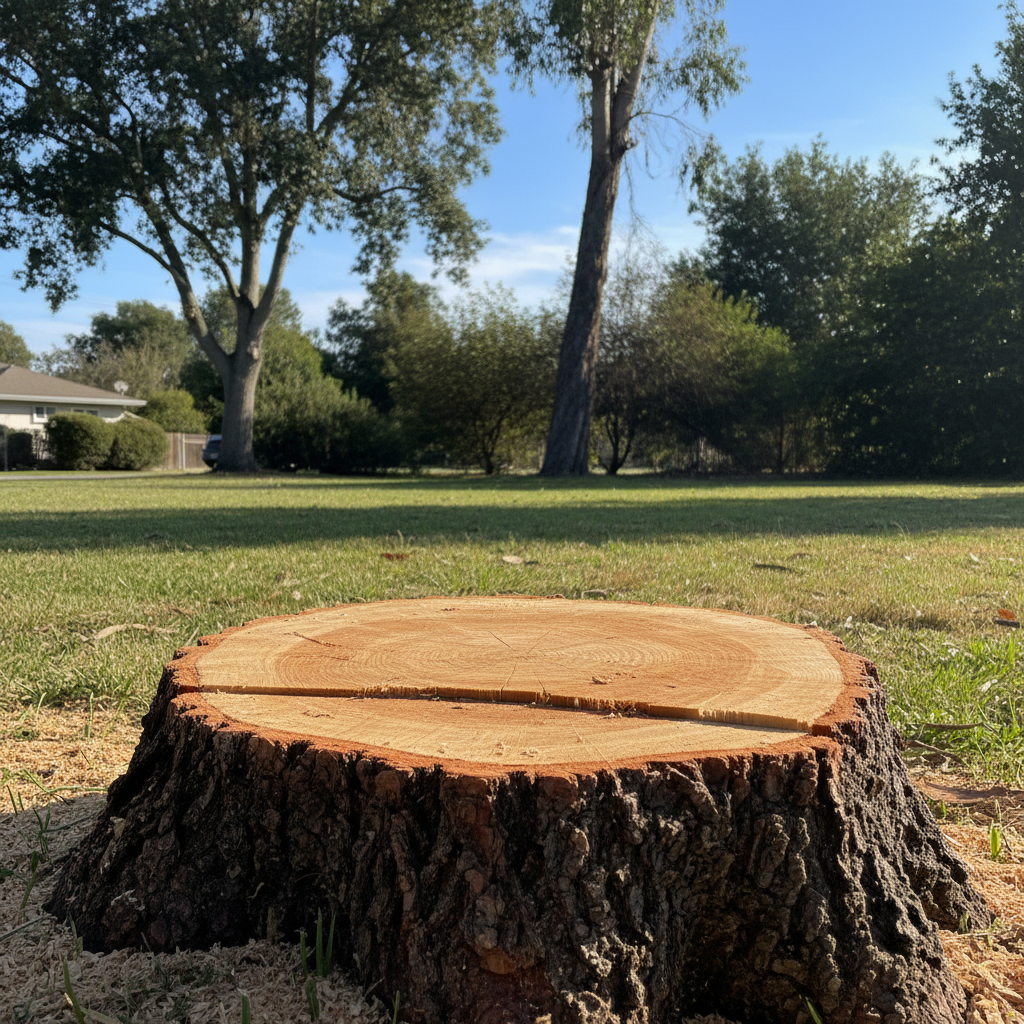
Then there's the stump. Most tree removal services don't include stump grinding or removal in their initial quote, so ask about it specifically. A stump left in the ground can be an eyesore, a tripping hazard, and can attract pests. Grinding it down below grade is usually the best option, allowing you to plant grass or new landscaping over it. We offer stump grinding as part of our services, making sure your yard is truly clear and ready for whatever you have planned next.
Taking down a tree is a big job. Whether you're considering a small DIY project or know you need professional help, understanding the process and the risks involved is key. Stay safe out there, Fairfield.