Do I even need a permit to remove a tree in Fairfield?
This is probably the number one question I get, and it's a good one because the answer isn't always straightforward. Generally, for trees on private property, you don't need a permit from the City of Fairfield for most removals. That said, there are big exceptions you need to know about. If it's a 'heritage tree' or a 'protected tree' – usually defined by its size (trunk diameter) or species – then yes, you absolutely need a permit. Also, if the tree is part of a creek or riparian corridor, or if it's on a property that's part of a development project with specific conditions, you'll need one. My advice? Don't guess. Call the City's Planning Department or Public Works before you do anything. It's way better to make a quick call than to face fines or delays down the road. We can also help you figure this out; it's part of what we do at Apex Tree.
What's the difference between tree removal and stump grinding? Are they always done together?
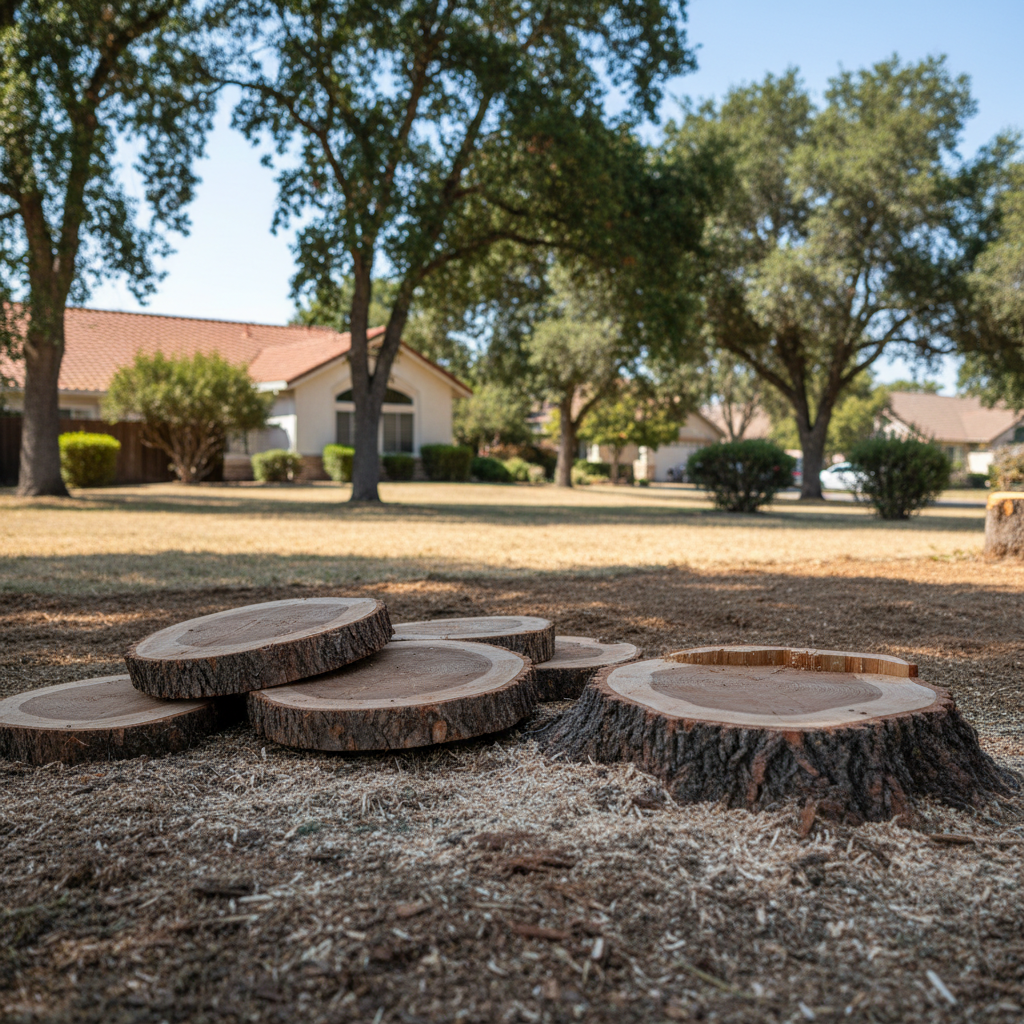
Okay, so tree removal means cutting down the tree itself, getting rid of the trunk, branches, and all that visible stuff above ground. Once the tree is gone, you're left with a stump. Stump grinding is a separate service where we use a specialized machine to grind that stump down into wood chips, usually a few inches below grade. This eliminates the tripping hazard, prevents new growth from sprouting, and lets you plant grass or put in a new garden bed right over the spot. They're not always done together. Some folks just want the tree gone and are fine with leaving the stump, especially if it's in an out-of-the-way spot or they plan to turn it into a planter. But most of the time, homeowners want the whole thing gone, so we'll quote for both. It just makes the area look cleaner and more usable.
How long does a typical tree removal job take?
This really depends on the tree. A small, young tree might be down and cleaned up in an hour or two. A massive, mature oak or sycamore, especially one that's close to a house, power lines, or other structures, could take a full day or even two with a crew. Factors like the tree's size, its location (is it easy to access with equipment, or do we need to climb and rig everything?), its condition (is it dead or decaying, making it more unpredictable?), and whether we're also grinding the stump all play a role. We'll give you a clear timeline when we come out for an estimate. We always prioritize safety and efficiency, so we don't rush, but we don't dawdle either.
What happens to all the wood and debris after the tree is cut down?
When we remove a tree, we're not just cutting it down and leaving a mess. Our standard service includes hauling away all the wood, branches, and debris. We chip the smaller branches right on site, and the larger logs are taken away for processing. We always make sure to leave your property cleaner than we found it. If you're interested in keeping some of the wood for firewood or for woodturning, just let us know beforehand. We can usually accommodate that, but it's important to discuss it so we can adjust our plan and pricing accordingly. Sometimes folks in areas like Green Valley or Cordelia want to keep some logs for their fireplaces, and we're happy to oblige.
Can I remove a tree myself to save money?
Look, I get it. Everyone wants to save a buck. But tree removal, especially for anything larger than a sapling, is incredibly dangerous work. We're talking about heavy equipment, sharp tools, working at heights, and dealing with unpredictable falling limbs. I've seen too many DIY attempts go wrong – property damage, serious injuries, even fatalities. Professional tree services like Apex Tree have specialized equipment, extensive training, and, critically, insurance. If something goes wrong on our watch, our insurance covers it. If you're doing it yourself and a branch falls on your neighbor's roof or a power line, you're on the hook for all of it. For your safety, your family's safety, and your property's safety, it's almost always worth hiring a pro. It's not just about cutting wood; it's about managing risk.
What's the best time of year to remove a tree?
Honestly, you can remove a tree any time of year if it's necessary. However, there are some practical considerations. During the dormant season, typically late fall to early spring, deciduous trees don't have leaves, which can make the job a bit easier and cleaner, as there's less foliage to deal with. It also makes it easier to see the tree's structure and potential hazards. On the flip side, during the hot Fairfield summers, especially when we get those triple-digit days, it can be tougher on our crews, and we have to take extra precautions. If you have a dead, diseased, or hazardous tree, don't wait for a specific season; get it taken care of immediately. Safety comes first, always.
What if the tree is near power lines?
This is a major safety concern and something you absolutely should not try to handle yourself. If a tree or any part of it is touching or even very close to power lines, you need to call PG&E first. They have specific protocols and crews trained to work around live electrical wires. Sometimes they'll trim the lines back, or even temporarily de-energize them, to make it safe for us to do our work. We'll coordinate with them as needed. Never, ever attempt to cut a tree near power lines. It's extremely dangerous and can be fatal. This isn't just about getting the tree down; it's about protecting lives and preventing widespread power outages.