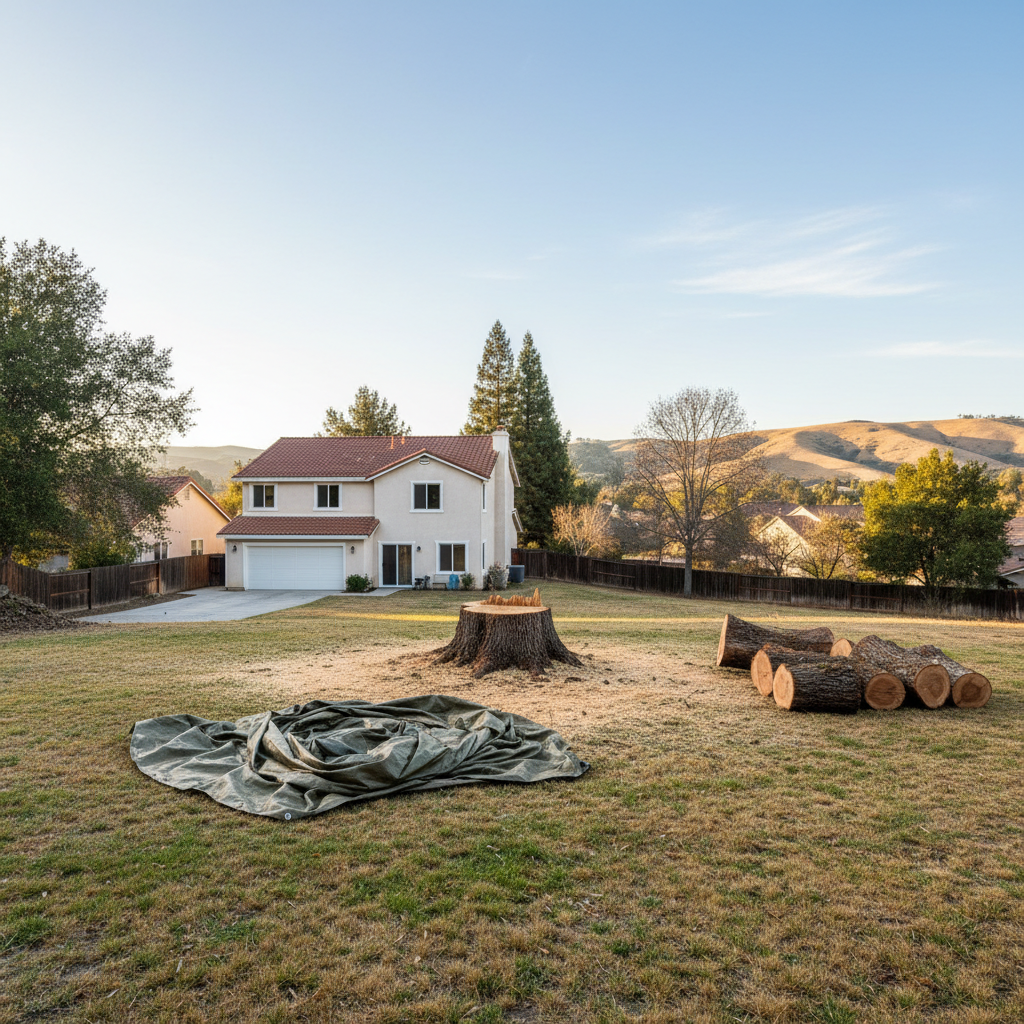
Nobody wants to deal with a tree emergency. It's stressful, often expensive, and usually happens at the worst possible time – like during a huge windstorm or a sudden downpour. But here's the thing: a lot of those emergencies? They're preventable. It's all about understanding our local Fairfield climate and taking proactive steps throughout the year.
Fairfield's Seasons and Your Trees
Our weather here in Fairfield is pretty unique, isn't it? We get those hot, dry summers that bake everything, followed by cooler, sometimes wet winters. That cycle puts a lot of stress on trees, especially older ones or those that aren't well-established. You might think of emergency tree removal as a winter problem, but honestly, the groundwork for those winter failures is often laid much earlier in the year.
Spring: The Growth Spurt
When spring hits, everything explodes with new growth. It's beautiful, but it's also a critical time for inspection. After a long, dry summer and potentially wet winter, your trees are waking up. Look for branches that didn't leaf out properly, or ones that look dead compared to the rest of the tree. This is the perfect time to schedule a professional assessment. We can spot weak limbs, disease, or pest infestations before they become a bigger problem. Getting ahead of things now means less worry later. A good arborist can identify structural issues that might not be obvious to the untrained eye, especially if you've got trees that are showing signs of stress from our hard clay soils around areas like Cordelia or Green Valley.
Summer: The Stress Test
Our Fairfield summers are brutal. High temperatures, low humidity, and often, not enough rain. This is when trees get stressed. A stressed tree is a weak tree, and weak trees are more susceptible to disease, pests, and structural failure. Make sure your trees are getting enough water, especially younger ones. Deep watering is key – don't just sprinkle the surface. If you see leaves wilting, turning brown prematurely, or dropping, your tree is telling you it's thirsty or sick. Ignoring these signs can lead to branches dying off, which then become hazards when the winds pick up.
Fall: Preparation for Winter
Fall is a fantastic time for tree care. The weather is cooler, and trees are starting to go dormant. This is when you can really get proactive about preventing winter emergencies. Any dead or dying branches that were stressed during the summer should be removed. Think about it: a dead branch is just waiting for a strong gust of wind or a heavy rain to come crashing down. Pruning now helps reduce the overall weight of the canopy, making the tree more resilient against winter storms. It's also a good time to check for any leaning or unstable trees that might be at risk.
Winter: The Danger Zone
This is when we see most of our emergency calls. High winds, heavy rains, and sometimes even ice can put immense pressure on trees. If you've got a tree that's already compromised – maybe it had dead branches from summer stress or a weak point that wasn't addressed in the fall – winter weather will find it. When a storm hits, and you hear that crack, it's usually too late to prevent it. That's why year-round preventative care is so crucial.
When to Schedule Emergency Removal (and What Affects It)
Emergency tree removal isn't something you schedule; it's something you react to. If a tree or a large limb has fallen and is threatening your home, blocking a driveway, or posing an immediate danger, that's an emergency. We prioritize these calls, of course.
What affects our ability to do the work? Weather, for one. We can't safely operate heavy equipment or climb trees in extremely high winds or lightning storms. It's just too dangerous for our crew and for your property. Access is another big one. If a tree falls across a fence or is tangled in power lines, it adds complexity and requires coordination with utility companies. The quicker you call us, the sooner we can assess the situation and get a plan in place.
Protecting Your Investment Year-Round
Your trees aren't just landscaping; they're an investment, adding value and beauty to your property. Protecting that investment means being vigilant. Regular inspections by a qualified arborist – at least once a year, ideally in spring or fall – can save you a lot of headache and money down the road. We can spot issues before they become emergencies, recommend proper pruning, and ensure your trees are healthy and strong enough to withstand our local weather patterns.
Don't wait for a crisis. Be proactive. A small investment in seasonal tree care with a company like Apex Tree can prevent a much larger, more stressful emergency removal later on. Keep an eye on your trees, and if you see something that concerns you, give us a call. It's always better to be safe than sorry.